Truffle Font: A Playful Display Typeface for Small Business
It was a Tuesday morning when I realized my new line of organic honey jars looked completely wrong. The product itself was golden, rich, and handmade with care, but the labels I had designed felt stiff and corporate. The text was legible, certainly, but it lacked the warmth and personality that customers expect from a small, artisanal brand. In the world of packaging design, your typography does more than just convey information; it sets the mood before a customer even tastes the product. That is when I decided to test Truffle, a playful and quirky display font that promised to bring some life back into my branding materials.
Why Your Brand Needs a Personality-Driven Typeface
When you are running a small business, whether you run a boutique, a café, or an online shop, every visual touchpoint matters. Customers don't just buy products; they buy into a story. If your logo feels generic, your menu looks cluttered, or your social media graphics feel disjointed, it becomes hard to build trust. This is where choosing the right typeface becomes a critical business decision, not just an aesthetic one.
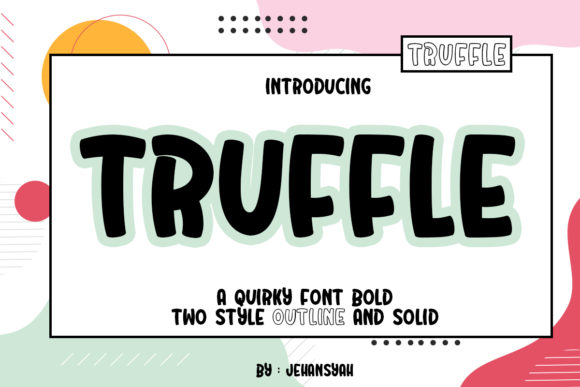
Truffle immediately stood out because it doesn't try to be everything to everyone. It is a character-driven creative font designed specifically for display purposes. Its letters have a bouncy, rounded quality that feels approachable and friendly. Unlike a standard sans serif font which can sometimes feel cold or distant, Truffle invites the viewer in. When I applied it to the honey jar label, replacing the rigid block letters, the entire package seemed to smile. It communicated "handmade," "fun," and "wholesome" instantly.
This kind of visual consistency is vital for building a strong brand identity. If your Instagram posts use a serious, formal font while your packaging uses something whimsical, your audience gets confused. Using a dedicated display font like Truffle for headlines and key phrases ensures that your brand voice remains consistent across all platforms, from printed thank-you cards to digital ads.
Real-World Applications: From Bakery Boxes to Social Media
The versatility of Truffle makes it an excellent asset for various small business scenarios. Because it is a display font, it shines best when used for short, impactful messages rather than long paragraphs of text. Here is how I saw it transforming different aspects of a business:
- Product Labels and Packaging: For a bakery updating its box designs, Truffle works beautifully for the "Freshly Baked" or "Gluten-Free" badges. The playful curves suggest a treat that is fun to eat. Similarly, on skincare bottles or candle jars, it adds a touch of modern charm without overwhelming the minimalistic design.
- Menu Refreshes: A local café owner I consulted with wanted to update their weekend brunch menu. They used Truffle for the section headers like "Sweet Treats" and "Morning Brew." It made the menu feel inviting and less intimidating than a traditional restaurant list, encouraging customers to try new items.
- Social Media Graphics: On platforms like Instagram or Pinterest, stopping the scroll is half the battle. Using Truffle for overlay text on photos of handmade crafts or boutique clothing tags creates a visual hook. It stands out against busy backgrounds better than thin, elegant fonts.
- Event Flyers and Stickers: For workshops, pop-up shops, or children's parties, this font captures attention immediately. It is perfect for creating custom stickers that customers love to peel off and keep, extending your brand reach organically.
In each of these cases, the goal wasn't just to make things look "pretty." It was to ensure the design assets supported the business goals. A clearer, more engaging visual style leads to better customer engagement and a more memorable shopping experience.
Mastering Readability and Font Pairing
While Truffle is undeniably charming, it is important to understand its limitations as a display font. It is not designed for body copy. If you try to write a paragraph of ingredients or terms and conditions in Truffle, the unique shapes of the letters will become difficult to read, especially on small mobile screens or tiny printed labels. Typography affects first impressions, but poor readability can ruin them quickly.
To maintain a professional look, the secret lies in effective font pairing. I found that Truffle pairs exceptionally well with clean, neutral typefaces. For example, combining Truffle for the headline with a simple sans serif font for the details creates a balanced hierarchy. The playfulness of Truffle grabs attention, while the simplicity of the supporting font ensures the information is easily digestible.
If you are aiming for a slightly more sophisticated yet still friendly vibe, pairing it with a classic serif font can add elegance. For brands targeting a younger demographic or focusing on children's themes, a matching handwritten font or script font can work as a secondary accent, though caution is needed to avoid visual clutter. The key is contrast: let Truffle be the star of the show, and let other fonts handle the heavy lifting of communication.
Technical Considerations for Commercial Use
Before integrating any new design assets into your workflow, there are practical technical details to consider. As a small business owner, you need to know exactly what you are buying. Truffle comes as a commercial font, meaning it is licensed for use on products you sell, such as packaging, merchandise, and client work. This is crucial for avoiding legal issues down the road.
When downloading the font, check the included file formats. Most modern design software requires both OTF (OpenType) and TTF (TrueType) files for compatibility across different operating systems and devices. Additionally, look for features like alternates, ligatures, and multilingual support. While Truffle is primarily designed for English-speaking markets, having access to extended character sets can be helpful if you plan to expand your business internationally or cater to diverse communities.
Always verify the license agreement. Some premium font licenses allow for unlimited commercial use, while others may require additional fees based on circulation numbers or specific types of media. Ensuring you have the correct rights protects your brand and allows you to scale your marketing efforts without worrying about copyright strikes.
Building a Memorable Brand Identity
Ultimately, the decision to use a font like Truffle is about defining who you are as a business. In a crowded marketplace filled with similar products, your visual identity is often the deciding factor for a potential customer. By choosing a modern typography style that reflects your brand's values—whether that's fun, creativity, or community—you create a connection that goes beyond the transaction.
Whether you are designing a logo, refreshing your website banners, or printing a batch of holiday greeting cards, the right typeface can elevate your work from amateur to polished. Truffle offers that spark of personality that makes a brand feel human and relatable. It reminds us that good design isn't just about rules; it's about emotion. When customers see your name in Truffle, they should feel the same joy and excitement that you feel when creating your products. That emotional resonance is what turns a one-time buyer into a loyal advocate for your brand.