Tabby: A 3D Display Font for Crafters
As someone who spends hours perfecting the details of handmade labels, cutting intricate vinyl stickers, and designing printable invitations, I know that the right typeface can make or break a product. It is not just about choosing letters that look pretty; it is about finding a display font that communicates the personality of your brand while standing out in a crowded marketplace. That is exactly why I was immediately drawn to Tabby. This unique typeface offers something rare in the world of creative fonts: a built-in three-dimensional effect that adds depth and texture without requiring complex layering in your design software.
The Unique Charm of Tabby
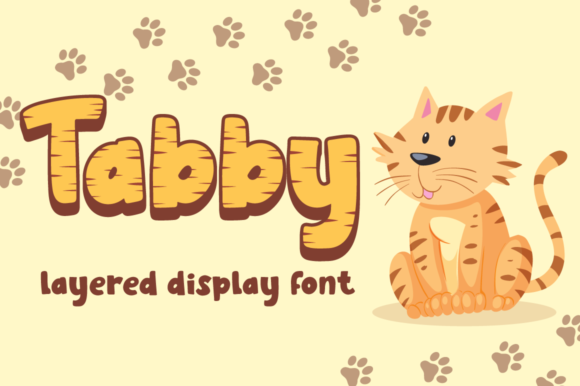
At its core, Tabby is inspired by the playful and distinct markings of a tabby cat. The font features lines and patterns reminiscent of fur stripes, giving each character a tactile, organic feel. What truly sets this premium font apart is its construction as a three-layered display font. When these layers are combined, they create a stunning 3D effect that pops off the page or screen. For makers who rely on visual impact to sell their goods, this depth is invaluable. It transforms flat text into a textured element that feels almost tangible, much like the hand-painted signs or laser-cut wood pieces we often admire.
This visual personality makes Tabby an excellent choice for projects where you want to evoke a sense of warmth, whimsy, or modern rustic charm. Unlike standard sans serif fonts that can feel cold or corporate, Tabby brings a human touch to your designs. It works beautifully for boutique branding, pet-related products, or any project that benefits from a slightly quirky yet sophisticated aesthetic. The way the light seems to play across the simulated 3D layers gives your text a premium quality that customers immediately recognize.
Practical Applications for Handmade Products
When integrating a new creative font into my workflow, I always consider how it translates across different mediums. Tabby shines in a variety of physical and digital applications, making it a versatile asset for any small shop owner.
- Candle and Soap Labels: The 3D effect of Tabby looks incredible on matte paper labels. When printed, the layered lines catch the light, making the product name stand out against the wax or soap bar. It elevates a simple soy candle into a luxury item.
- Vinyl Stickers and Decals: For Cricut and Silhouette users, this font offers a unique opportunity. Because it is a display font with distinct strokes, it cuts cleanly. You can use the single-layer version for a clean cut or combine the layers for a multi-color sticker design that mimics the striped pattern of a cat's coat.
- Wedding and Event Stationery: While often used for bold headlines, Tabby can serve as a striking focal point on wedding welcome boards or seating charts. Its playful nature fits perfectly with "pet-friendly" weddings or rustic barn themes.
- Wall Art and Signs: Whether you are creating printable wall art for Etsy or crafting wooden farmhouse signs, the depth of this typeface adds dimension that flat text cannot achieve. It draws the eye immediately, making the artwork more engaging.
- Apparel and Tote Bags: Screen printing or heat pressing Tabby onto tote bags and t-shirts creates a bold statement. The 3D illusion works well even on fabric, adding a modern typography twist to casual wear.
Readability and Design Best Practices
While Tabby is visually striking, it is important to remember that it is primarily a display font. This means it is best suited for short phrases, titles, names, and decorative wording rather than long paragraphs of body text. The intricate lines and 3D layering can become difficult to read if the text is too dense or the size is too small.
For practical use, I recommend using Tabby for headlines, product names, or key selling points. If you need to include longer descriptions, pair it with a clean, legible sans serif font. This ensures your message remains clear while still benefiting from the artistic flair of the main title. When working with cutting machines, be mindful of the smallest details. While the font cuts well, extremely small sizes (under 0.5 inches) might cause the fine internal lines to get lost during the weeding process. Always test cut a sample before committing to a full batch of stickers or labels.
Mastering Font Pairing
To create a cohesive brand identity, pairing Tabby with complementary typefaces is essential. Since Tabby has so much visual weight and texture, it needs a partner that allows it to breathe. Here are a few effective combinations:
- With a Minimalist Sans Serif: Pair Tabby with a geometric or grotesque sans serif font for the body copy. This creates a modern contrast where the playful headline stands out against the neutral, readable text.
- With a Delicate Script: For wedding invitations or romantic stationery, try pairing the bold 3D structure of Tabby with a flowing handwritten script. The contrast between the structured, striped letters and the fluid script creates a dynamic balance.
- With a Classic Serif: If you are aiming for a more traditional or editorial look, a high-contrast serif font can ground the whimsical nature of Tabby, making it suitable for book covers or high-end packaging design.
These font pairing strategies help maintain readability while maximizing the visual impact of your design assets. They ensure that your customer understands your message while appreciating the artistic effort you put into the presentation.
Licensing and Commercial Use
One of the most critical aspects of running a handmade business is understanding your legal obligations regarding intellectual property. As a seller, you must ensure that the commercial font you choose allows you to sell physical products, digital downloads, and templates. Tabby is designed with creators in mind, but it is vital to review the specific End User License Agreement (EULA) included with your purchase.
Generally, a commercial license for a font like Tabby permits you to use the typeface in logos, product labels, social media graphics, and merchandise that you sell. However, rules often vary regarding web embedding or creating editable templates for resale. Always double-check if the license covers SVG files, printables, and client work. Using a font outside of its licensed terms can jeopardize your shop's reputation and lead to legal issues. By securing the proper rights, you protect your business and can focus on what you do best: creating beautiful, high-quality products that your customers love.
Elevating Your Brand with Depth
In a sea of generic designs, Tabby offers a distinctive voice for your craft business. Its unique 3D structure, inspired by the beloved tabby cat, provides a level of detail and charm that standard fonts simply cannot match. Whether you are labeling a jar of homemade jam, designing a birthday invitation, or creating a logo for your new boutique, this typeface adds a layer of professionalism and creativity that resonates with buyers.
By understanding its strengths as a display font, respecting its readability limits, and pairing it wisely, you can leverage Tabby to enhance your brand consistency and emotional appeal. It is more than just a set of letters; it is a tool for storytelling and connection. For any crafter looking to elevate their product presentation and stand out in the digital and physical marketplace, Tabby is a worthy addition to your design toolkit.